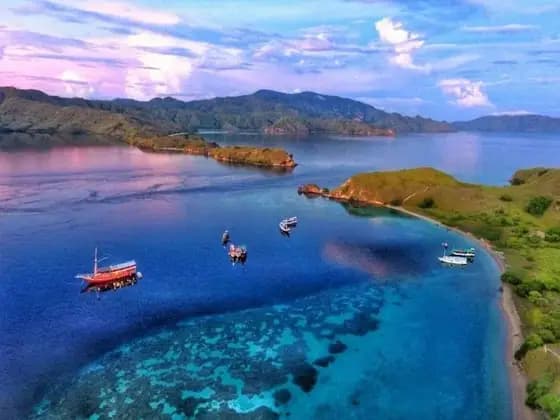

When choosing between shared and private speedboat options in Komodo, the decision hinges on budget, schedule flexibility, and the level of immersion you desire. Shared speedboat tours offer cost‑effective group experiences, while private charters provide tailored itineraries and exclusive access to remote dive sites.
| Feature | Shared Speedboat | Private Speedboat |
|---|---|---|
| Typical cost (per person) | US$45‑$70 for a full‑day tour | US$350‑$600 for a full‑day charter |
| Group size | 8‑12 passengers (often mixed nationalities) | 1‑4 guests (full control of guest list) |
| Flexibility | Fixed departure times, set route | Customizable itinerary, on‑demand departure |
| Marine life focus | General highlights (Komodo, Padar, Pink Beach) | Targeted dive sites (Manta Point, Batu Bolong) |
| Comfort level | Basic seating, shared restroom | Air‑conditioned cabin, private bathroom |
| Typical speed | 30‑35 knots (≈55‑65 km/h) | 30‑40 knots (≈55‑75 km/h) |
| Best for | Budget travelers, first‑time visitors | Divers, photographers, those seeking privacy |
The most immediate distinction is the price tag. A shared speedboat that departs from Labuan Bajo’s harbor at 08:00 h and circles the main islands—Komodo, Rinca, and Padar—usually charges US$45‑$70 per person. This fee includes a guide, fuel, and a light lunch. In contrast, a private speedboat charter, whether you book a sleek Phinisi or a modern catamaran, starts at US$350 for a full‑day (≈8 hours) and can climb to US$600 for premium vessels with a crew of three.
Why the gap? Private charters absorb the entire fuel cost, crew wages, and maintenance, while shared tours spread those expenses across the group. If you travel solo or as a couple, the per‑person cost of a private charter can feel steep, but the value comes in the exclusive access to dive sites like Manta Point (depth 20‑30 m) where giant manta rays glide under a sunrise‑tinted sky, and the freedom to linger where the reef teems with cuttlefish, pygmy seahorses, and wobbegong sharks.
Ask the operator whether the quoted price includes fuel surcharges and park entry fees. Some agents bundle the Komodo National Park entrance fee (US$25 per adult) into the shared price, while private charters often leave it as a separate line item. Clarifying this up front prevents surprise invoices on the dock.
Shared speedboat tours follow a pre‑set route designed to showcase the park’s flagship attractions. A typical day might look like this:
Because the vessel must accommodate the whole group, time at each stop is limited—usually 30‑45 minutes. If a tide is low at Manta Point, the guide may skip the dive to keep the schedule.
Private speedboat charters, by contrast, let you write your own script. Want to dive Batu Bolong at low tide when the reef is exposed? No problem—your captain can adjust the departure to 06:30 h to reach the site before the sun climbs. Prefer an evening snorkel at Kelimutu’s turquoise lagoon? The crew can linger until dusk, letting the water turn a deep indigo that makes bioluminescent plankton glow like fireflies.
When booking a private charter, request a draft itinerary and ask the captain how they handle weather windows. The best time to explore Komodo’s underwater world is during the dry season (April‑October) when the sea is calm and visibility often exceeds 20 m. A seasoned captain will plan around the southwest monsoon and adjust departure times to catch the morning trade winds, which reduce choppy seas and keep the motor’s roar quieter—perfect for hearing the distant calls of flying foxes on the cliffs.
If marine life is your primary motivation, the private speedboat usually wins. Shared tours typically stop at Pink Beach for a quick snorkel, where you’ll see clownfish and perhaps a shy turtle. The dive at Manta Point is often limited to a single 30‑minute slot, and the boat may have to leave early to keep the schedule.
With a private charter, you can custom‑tail your dive plan:
The ability to wait for the tide makes a huge difference. At low tide, the reef at Batu Bolong becomes a rocky ledge, exposing hidden nudibranchs and octopus that hide in crevices. A private boat can linger for an extra hour, allowing divers to explore these micro‑habitats without feeling rushed.
Ask the captain whether they provide a tide chart and a local marine biologist on board. Many private operators partner with Komodo Conservation to offer briefings on the endemic reef species you’ll encounter, enriching the experience with scientific insight.
Shared speedboats are functional: bench‑style seating, a small shaded area, and a communal restroom located at the stern. The engine’s hum is audible, and the occasional splash of wave spray can make the cabin feel cool and humid, especially in the midday heat. However, the air‑conditioned cabin on a private Phinisi feels like stepping into a floating boutique hotel. Soft cushions, a private bathroom, and a small galley where the chef can prepare a fresh grilled snapper with lemongrass add a touch of luxury.
Noise levels also differ. On a shared boat, the engine’s roar competes with the chatter of other tourists, making it harder to hear the subtle click of a snapping shrimp or the distant call of a sea eagle. Private charters often operate at lower RPMs when cruising between dive sites, granting a quieter environment where you can truly absorb the scent of the sea—brine mixed with the faint perfume of mangrove leaves.
If you’re prone to seasickness, request a stabilizer or a gimbal‑mounted engine on the private charter. Many operators now equip their vessels with anti‑roll technology, which reduces the boat’s pitch and makes the ride smoother—critical when you plan to dive at depths beyond 30 m.
Both shared and private speedboats contribute to fuel emissions, but the impact per passenger varies. A shared speedboat carrying 10 passengers distributes the carbon footprint across more individuals, resulting in a lower per‑person emission. However, the frequency of trips matters: a private charter that sails for eight hours in a single day may actually produce fewer total emissions than three separate shared trips covering the same distance.
Komodo Explorer is committed to green charter practices. Our private Phinisi fleet runs on low‑sulphur diesel and is equipped with solar‑charged LED lighting to reduce night‑time fuel consumption. We also enforce a strict “no‑touch” policy for marine life and work with local rangers to monitor reef health.
When evaluating a shared speedboat operator, ask whether they practice “reef‑friendly” anchoring—using sea anchors or float‑up moorings instead of dropping a heavy anchor that can damage the coral. Private charters often have the flexibility to avoid anchoring altogether, preferring drogue anchoring that minimizes seabed impact.
Following these steps guarantees you a tailor‑made experience that aligns with your diving goals and comfort preferences.
A typical private speedboat can host up to four guests comfortably, though larger Phinisi vessels can be configured for six to eight while still offering a private experience. The crew usually consists of a captain, a deckhand, and a chef or guide, depending on the package.
Yes. All licensed operators in Komodo National Park must meet Indonesian maritime safety standards. Boats are equipped with life jackets, first‑aid kits, and radio communication. For first‑time divers, shared tours often include a brief safety orientation and a shallow‑water snorkel stop before any deeper dives.
Absolutely. Private charters welcome personal regulators, wetsuits, and dive computers. In fact, we recommend bringing your own gear to ensure a perfect fit and to avoid rental fees. If you need to rent equipment, our partner dive shop on Labuan Bajo Wharf offers premium gear at discounted rates for charter guests.
Early morning (06:00‑09:00 h) offers the softest light for photography and the calmest seas for diving. The mid‑day sun can cause glare on the water, while late afternoon brings golden hues that enhance the silhouette of the Komodo dragons on the ridge. Plan your itinerary to start with a sunrise dive at Manta Point, then move to land activities as the day warms.
Tides influence both anchor options and dive site accessibility. At low tide, shallow reefs like Batu Bolong expose more coral, making for spectacular underwater photography but requiring careful navigation to avoid running aground. High tide provides deeper water for larger vessels, allowing you to approach Padar’s western cliffs without the need for a beach landing. Private charters can adapt to these changes in real time, while shared tours must adhere to a preset schedule.
With shared speedboat tours, the primary hidden cost is often the park entry fee, which may be collected on the boat or at the gate. Private charters sometimes add fuel surcharges if the itinerary exceeds the agreed distance, and overnight anchorage fees if you decide to stay on a remote island. Always ask the operator for a breakdown of all charges before signing the contract.
Choose operators that practice “Leave No Trace” principles: use biodegradable sunscreen, avoid single‑use plastics, and follow the “no feeding” rule for wildlife. Komodo Explorer’s charter fleet participates in coral reef restoration programs; guests can join a reef‑planting dive at Padar’s western side for an additional US$30 donation.
| Aspect | Shared Speedboat | Private Speedboat |
|---|---|---|
| Cost | Low (US$45‑$70 per person) | High (US$350‑$600 total) |
| Flexibility | Fixed schedule, limited stops | Custom itinerary, unlimited stops |
| Marine Life | General highlights, limited dive time | Targeted dives, tide‑aware access |
| Comfort | Basic seating, shared restroom | Air‑conditioned cabin, private bathroom |
| Group Dynamics | Social, meets other travelers | Intimate, tailored to your group |
| Environmental Impact | Lower per‑person emissions, but more frequent trips | Potentially lower total emissions, reef‑friendly anchoring |
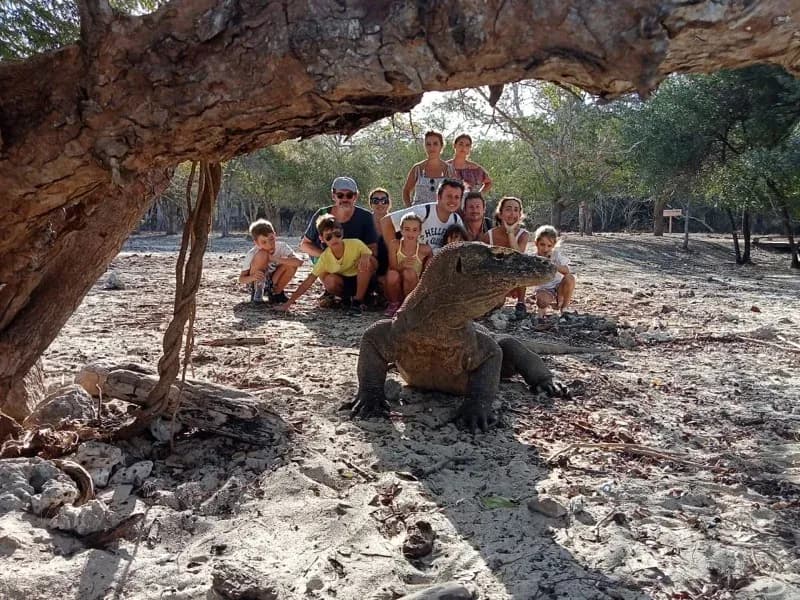
Choosing between shared vs private speedboat Komodo experiences is less about right or wrong and more about aligning the journey with your personal priorities. If you’re a budget‑conscious traveler eager to tick off the iconic photo spots—Padar’s twin bays, Pink Beach’s blush‑colored sand, and a quick glimpse of a Komodo dragon—a shared speedboat provides a vibrant, social adventure that introduces you to the archipelago’s magic without breaking the bank.
Conversely, if you’re a diver, photographer, or luxury‑seeker who craves unrushed immersion, the private speedboat is a gateway to the park’s hidden gems: early‑morning manta gatherings, secluded snorkeling at Kelimutu, and the chance to anchor beneath a night sky where the Milky Way mirrors the sea’s surface. The added comfort, personalized service, and environmental stewardship that come with a private charter can transform a good trip into an unforgettable odyssey.
Whichever path you choose, remember that the Komodo archipelago rewards patience, curiosity, and respect for its fragile ecosystems. The scent of the sea, the distant call of a sea eagle, and the gentle sway of the boat are all part of a story that only the islands can tell—listen closely, and you’ll hear the pulse of a living, breathing wilderness.
If you’re leaning toward a private speedboat charter that puts your dive sites, comfort, and sustainability first, explore our curated fleet and book your bespoke Komodo adventure today. Click here to start planning, or reach out to our dedicated team for a personalized consultation. Let Komodo Explorer turn your vision of the perfect island escape into a reality you’ll cherish forever.