
Direct answer: If you value speed, flexibility, and a high‑energy schedule, a speedboat will get you to the dive sites and iconic landmarks of Komodo National Park in record time. For those who crave comfort, cultural immersion, and the ability to stay overnight on the water, a traditional Phinisi offers spacious cabins, a relaxed pace, and a more authentic sailing experience. Your decision should hinge on how you balance time, comfort, and the type of marine encounters you want to prioritize.
| Feature | Speedboat | Phinisi (Traditional Sail‑Powered Yacht) |
|---|---|---|
| Typical Speed | 25–30 knots (≈ 45–55 km/h) | 7–10 knots (≈ 13–18 km/h) |
| Average Capacity | 10–20 passengers (no cabins) | 8–12 passengers, 2–3 cabins with en‑suite bathrooms |
| Fuel Consumption | Higher (≈ 150 L/hr) | Lower (≈ 30 L/hr) |
| Typical Day‑Trip Range | Labuan Bajo → Pink Beach → Padar (≈ 3 h total) | Labuan Bajo → Komodo Island → Manta Point → night anchor (≈ 8 h) |
| Best for | Quick island hopping, sunrise dives, tight itineraries | Multi‑day cruising, night snorkeling, cultural immersion |
| Typical Cost (per person) | US$120–150 (full‑day) | US$250–350 (per night, shared) |
| Noise Level | Loud diesel roar, wind in the hull | Soft creak of wooden planks, occasional sail flaps |
| Wildlife Impact | Higher disturbance due to speed and wake | Minimal disturbance; gentle glide through reefs |
A speedboat’s sleek, planing hull slices through the water, creating a thin wake that can be exhilarating but also noisy. The cabin, if present, is typically an open‑air deck with a small shaded area—perfect for a quick snack but not for a night’s rest. In contrast, a Phinisi is built from teak and hardwood, with a deep‑vee hull that rolls gently, especially when the wind eases. Inside, you’ll find teak‑finished cabins, a galley, and often a small lounge where the scent of fresh coffee mingles with the salty sea breeze. The Phinisi’s design honors centuries‑old shipbuilding traditions of the Bugis and Makassar peoples, giving you a tactile connection to Indonesia’s maritime heritage.
Speedboats can sprint from Labuan Bajo to the pink sands of Pink Beach in under an hour, letting you catch sunrise at Padar Island and still have time for an afternoon dive at Manta Point (depths 15–30 m, frequent sightings of Manta birostris). Their diesel engines, however, guzzle fuel and generate a louder engine note that can startle shy reef fish. A Phinisi, cruising at 7–10 knots, will take longer to reach the same points, but its lower fuel consumption means you can stay out longer without refueling, and the quieter approach often yields better underwater visibility as the boat’s wake does not stir up sediment.
Speedboats typically carry up to 20 guests in a single open deck, which can feel cramped during hot afternoons. There is no cabin for a nap after a sunrise trek, and restroom facilities are basic—often a portable chemical toilet. Phinisi yachts, on the other hand, accommodate 8–12 guests across two or three cabins, each with a private bathroom. The onboard galley can prepare a hot meal, and the lounge area is ideal for post‑dive debriefs, where you can share photos of a Komodo dragon sighting while the gentle sway of the boat lulls you.
When you launch from Labuan Bajo’s bustling harbor, the speedboat’s diesel engine cuts through the early‑morning mist, and you can reach Pink Beach—renowned for its blush‑colored sand and shallow coral gardens—within 45 minutes. The rapid transit is perfect if you want to maximize dive time at Batu Bolong (a macro‑rich site at 12 m depth, home to frogfish Antennarius and pygmy seahorses Hippocampus japapigu). However, the fast‑moving hull can create a small bow wave that temporarily reduces visibility near the reef.
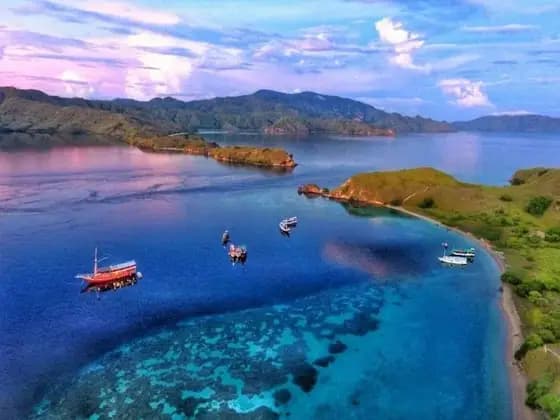
A Phinisi, sailing under a soft breeze, will glide past Pink Beach in about 1.5 hours. The slower approach allows you to anchor in the protected lagoon, letting the tide settle and the water clear. You’ll hear the gentle slap of waves against the hull, and the scent of wet teak will mingle with the fragrant frangipani that lines the shore. This calm entry often results in clearer water for photography and a more relaxed beach walk.
Speedboats excel at reaching multiple dive sites in a single day. For example, a typical itinerary may include:
Because speedboats can hop quickly, you can fit three dives into a 10‑hour day, but you’ll be limited to surface intervals on the boat’s cramped deck. If you prefer a more leisurely pace, a Phinisi can anchor near each site, allowing you to spend longer underwater and even enjoy night dives at Komodo’s “Night Lights” (depth 25 m, where luminous plankton attracts schools of fusiliers).
Phinisi yachts also provide the advantage of a “live‑aboard” feel. After a dive at Manta Point, you can retreat to the cabin’s shaded deck, sip a cold drink, and hear the distant call of a tiger shark (Galeocerdo cuvier) cruising the reef’s edge—an experience that’s hard to replicate on a speedboat’s open deck.
Selecting the perfect vessel is a personal decision, but the following steps can help you match your priorities with the right boat type.
Define Your Time Frame
Set Your Comfort Threshold
Prioritize Marine Encounters
Budget Considerations
Ask the Right Questions When Booking
By walking through these steps, you’ll arrive at a decision that feels both practical and aspirational—exactly the balance KomodoExplorer aims to deliver.
Yes. Some operators offer a hybrid itinerary: start the day on a speedboat to reach distant sites like Manta Point, then transfer to a Phinisi for an overnight stay. This gives you the speed of a day‑trip and the comfort of a live‑aboard.
Modern speedboats are equipped with navigation lights, depth sounders, and sturdy railings. However, the open deck can feel less stable after dark, especially in choppy seas. If night diving is a priority, a Phinisi’s stable platform and enclosed cabin for gear storage are preferable.
Speedboats generate larger wakes, which can temporarily stir up sediment and stress reef fish. Phinisi yachts, with their shallow draft and slower speed, cause minimal disturbance. Operators that practice “no‑anchor” policies further protect the coral. Choose a boat that respects local marine ecosystems to ensure the reefs stay vibrant for future visitors.
Pack light, breathable clothing, a waterproof dry bag, reef‑safe sunscreen, a reusable water bottle, and a good pair of fins. The Phinisi’s galley can accommodate fresh produce, but you’ll want a small snack for the early morning trek to Komodo Island.
Ask for the operator’s Sertifikasi Penyelamatan Laut (marine safety certification) and check reviews on the KomodoExplorer platform. Reputable companies display their permits at the dock and can provide references from previous guests.
Both speedboat and Phinisi options have distinct strengths. If your itinerary is tight, you’re eager to tick off as many dive sites as possible, and you thrive on high‑energy travel, the speedboat will deliver a whirlwind tour of Komodo’s iconic spots. If you value comfort, cultural immersion, and a slower rhythm that lets you savor sunrise walks, night snorkels, and the gentle sway of a traditional wooden hull, the Phinisi is the clear winner.
Whichever you choose, the magic of Komodo National Park—its turquoise lagoons, towering cliffs, and the silent glide of manta rays—will leave an indelible imprint on your soul. Let us help you turn that choice into an unforgettable voyage.
Explore our curated fleet of speedboats and Phinisi yachts, compare itineraries, and lock in your dates with just a few clicks. Whether you’re chasing the perfect sunrise at Padar or longing for a night under the stars aboard a traditional Phinisi, KomodoExplorer is your trusted guide. Book your charter now and set sail for the adventure of a lifetime.