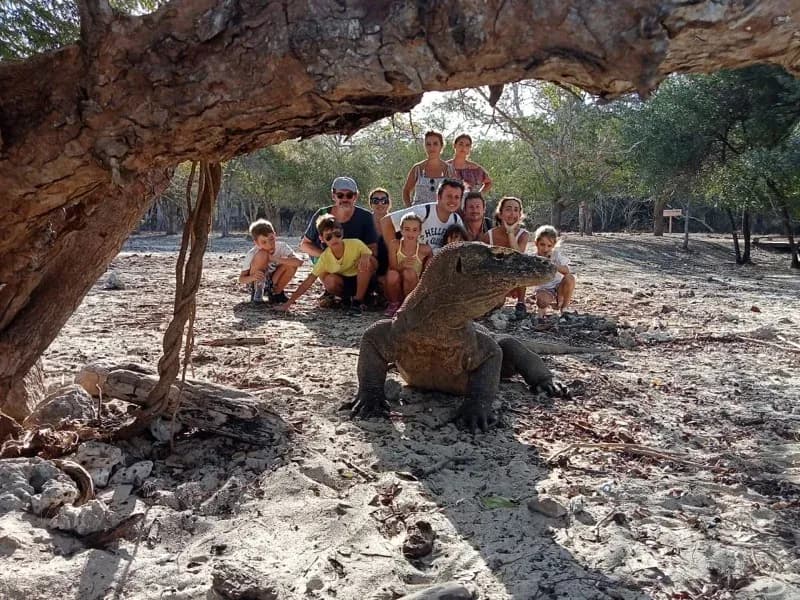
Direct answer: No honest tour can guarantee a Komodo dragon sighting 100% of the time. Dragons are wild animals. That said, guided ranger treks on Rinca or Komodo Island have a high practical success rate in good season and daylight hours — which is why many travellers see dragons on a standard 3D2N or 4D3N itinerary without special tracking permits.
If a booking page prints “100% GUARANTEED DRAGONS” in neon, treat it as marketing heat, not biology. What you want instead is a clear trek plan, licensed rangers, and an itinerary that still thrills if a dragon is resting out of sight that hour.
Komodo dragons thermoregulate, hunt, and rest on their own schedule. Midday heat can push activity down. Heavy rain can change trail use. Construction of trails, temporary closures, or high visitor loads can shift where animals loiter. Rangers know current patterns better than any brochure written six months earlier.
Yet main visitor loops were designed where animals are frequently seen. That is why “almost every group sees one” can be true in a season without anyone signing a guarantee. The distinction matters for trust: operators who explain probability build better trips than operators who sell absolute claims.
Day trips from Labuan Bajo pack land time tightly. You may get one trek window. Good for a first glimpse; less flexible if weather eats the slot.
Multi-day open trips usually include a dedicated dragon-trek day plus sea activities. If one landing is delayed, another day may still hold a trek (subject to park rules).
Private charters let you adjust trek timing (earlier, cooler hours) when the park allows — often more comfortable, sometimes better wildlife windows.
Dive cruises prioritise underwater time; land dragon treks may be one highlight among many. Confirm the land day is actually in the schedule if dragons are a must-see for non-divers in your group.
A typical briefing covers behaviour, minimum distance, and what to do if an animal approaches a path. You walk a loop measured in tens of minutes to a couple of hours depending on route. You may see dragons near ranger posts, on open ground, or shaded under vegetation. You will also learn tracks, prey species, and why feeding bans exist.
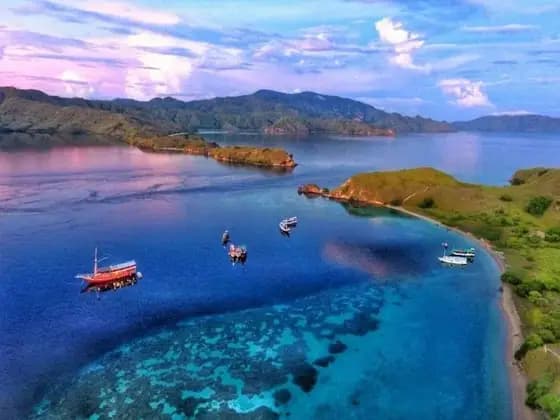
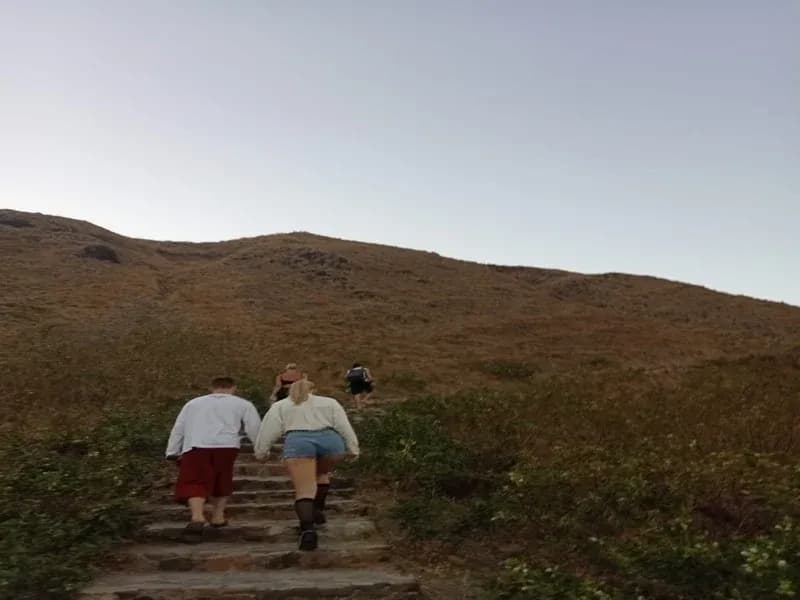
Even on a “no dragon today” trek, the geology and monsoon forest of the park are part of the UNESCO story. Padar ridgelines, pink sand beaches, and reefs are not consolation prizes — they are the rest of Komodo.
Long lens, quiet feet, no selfie stick toward the animal. Flash at close range is a bad idea. Drones require permits and are restricted in many park contexts (drone/SIMAKSI notes). Your best photo is the one where the ranger is still relaxed.
Prefer copy like: “Ranger-guided trek with strong historical sighting rates; wildlife not guaranteed.” Avoid: “Money back if no dragon” schemes that encourage pressure on rangers or unsafe approaches. Park fees and access systems exist to protect both species and visitors (fee guide).
Plan for a high chance, not a contract. Choose itineraries that include a proper ranger trek, travel in a sensible season, and enjoy the full marine-terrestrial mix. Browse verified boats on KomodoExplorer and match trip length to how central the dragon moment is for your group.
Nothing wild is 100% guaranteed. On standard ranger treks at main sites in dry season, most groups see at least one dragon. Rain, extreme heat midday, or very short treks can reduce odds.
Both islands host dragons. Rinca is often praised for reliable sightings near trek routes; Komodo Island offers iconic landscapes plus dragons. Operators choose based on park rules, crowds, and your itinerary day.
Occasionally animals appear near shore, but responsible trips still rely on guided land treks for proper viewing distances and interpretation.
Reputable operators explain odds in advance and focus on the whole park experience (Padar, reefs, villages). “Sighting guarantee refunds” are marketing — wildlife does not do SLA contracts.
Rangers set distance. You should never try to close the gap for photos. Zoom lenses beat bravado.